CS03 / TestOut → CompTIA / 2018–2024
The digital lead engine
A website relaunch plus lifecycle, routing and attribution, from HubSpot at TestOut to a 100k-record academic CRM at CompTIA
Relevant for: GTM & marketing ops + AI · Marketing leadership · Demand gen & sales development
MQLs from the website relaunch and lead-routing work
Key results
- +32% MQLs from the website relaunch and lead-routing work
- 20 product pages, plus 6 product videos
- Academic CRM structure for 100k+ records
The problem
Leads arrived through dozens of forms and landing pages. Getting each one to the right person, and knowing which campaign it came from, depended on manual work and inconsistent naming. Marketing was working hard, but without one system it couldn’t prove what worked or fix what didn’t.
What I did
Relaunched the website (I directed it; the team built it). I set the goals and approved the work for a new homepage and navigation, product pages, a testimonials page and rebuilt request forms. The web and creative team built 20 product pages, most from one template (the first 15 were ready to publish in January 2022), along with 6 product overview videos. With one template, every product page asked the same questions in the same order and fed the same fields.
Designed the lifecycle. I defined the stages a contact moves through, from first touch to customer, with a clear definition for each. My marketing operations manager built the workflows in HubSpot, so lifecycle stage and lead status were set automatically, not by hand.
Routed every lead. Form answers (role, school type, product interest) decided where a lead went: the right account executive by segment, continuing education, or support. I designed the routing and my ops manager built it, so leads reached the right person without anyone sorting an inbox.
Made attribution possible. I set up source-campaign fields on contacts and deals, plus a campaign naming convention (date, segment, audience source, offer). With those in place, a deal could be traced back to the campaign that started it. Reporting combined HubSpot attribution reports with Power BI dashboards, which I built with a data analyst.
Scaled it at CompTIA. After the acquisition, I led the design of the academic marketing CRM structure for 100k+ records. That covered evaluating and switching data providers, segmentation, lead scoring and automation workflows. I led the design, and the business-intelligence and business-analysis teams built it with me.
Results
- +32% MQLs from the website relaunch, lead routing and conversion work.
- 20 product pages and 6 product videos, with the first 15 ready in January 2022.
- An academic CRM structure for 100k+ records at CompTIA: data-provider evaluation, segmentation, scoring and automation.
- Campaign-level attribution through HubSpot reports and Power BI dashboards.
- About 2 million academic emails delivered in 14 months (2019–2020) through the email program.
Why it matters
For GTM and marketing operations: I design the plumbing (lifecycle, routing, attribution and data structure), and I’ve done it twice: at TestOut, and again inside a much larger organization. For marketing leadership: the +32% didn’t come from one campaign. It came from making every campaign measurable and getting every lead to the right person.
The work
Fig. 3.1A rebuilt product page
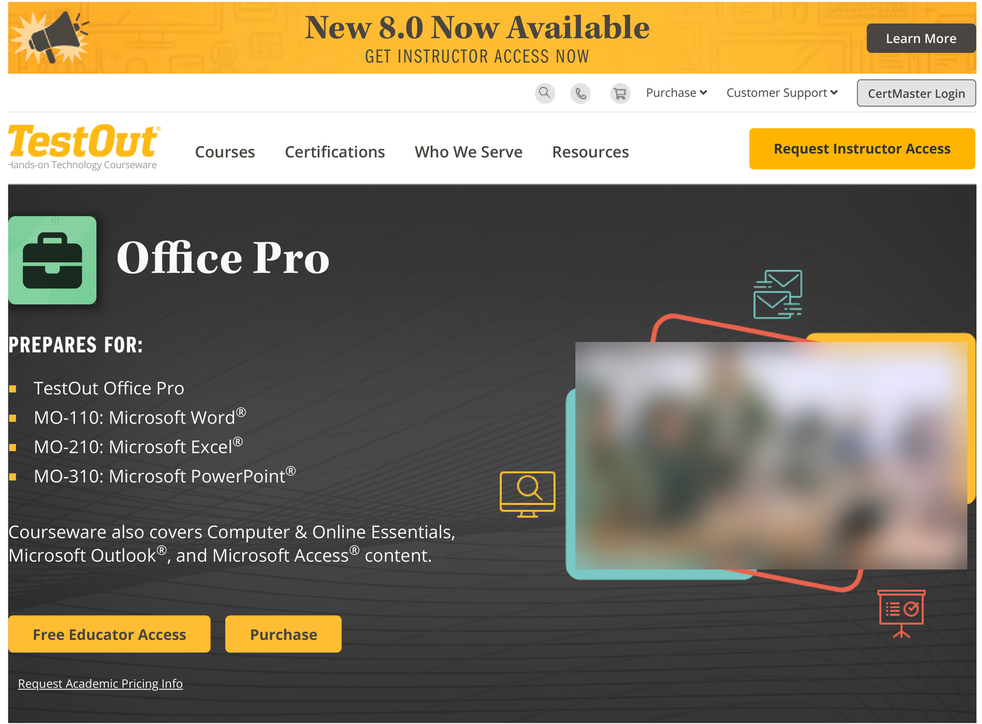
Fig. 3.2From form to the right person
- 01FormSame questions on every product page
- 02Lifecycle stageSet automatically by workflow
- 03RoutingBy role, school type and product
- 04OwnerAccount executive, continuing ed or support
- 05AttributionDeal traced to its source campaign
Fig. 3.3One campaign name, four facts
- 012022-10When
- 02K12Segment
- 03ListAudience source
- 04GrantOffer